Conference Room Microphone Guide for Nepal — Wired, Wireless & Ceiling Array
Gooseneck units, wireless systems, speakerphones and ceiling arrays — how to pick the right microphone for your room size and use case.
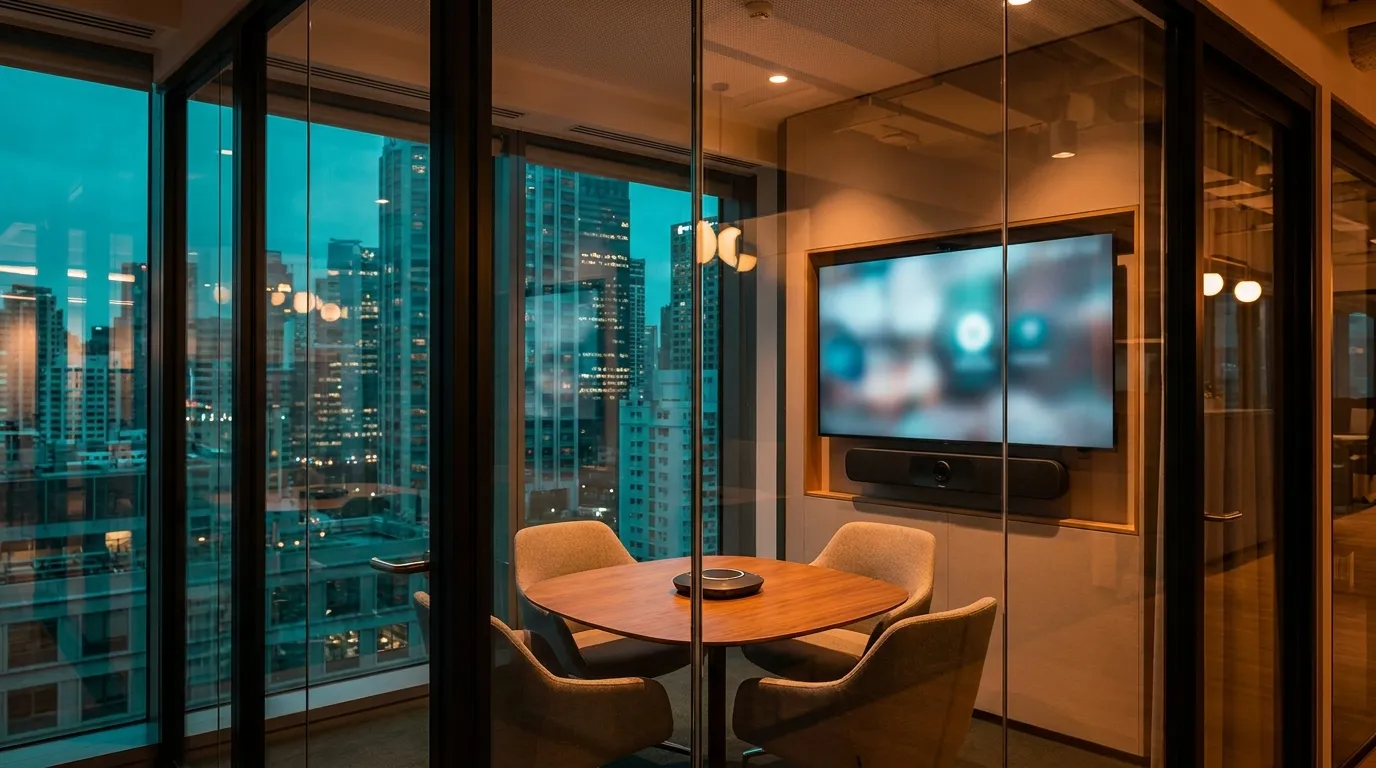
Remote participants forgive a mediocre camera. They never forgive bad audio. Microphone choice is the single biggest factor in whether your conference room works — and it is decided almost entirely by room size, table layout and what the room is for.
Huddle rooms (2–6 people): the speakerphone
For small rooms, a quality USB speakerphone on the table is the honest answer — one cable, echo cancellation built in, nothing to configure. The InfoBit iSpeaker M500 covers a small table cleanly; anything more is spending money on complexity the room doesn't need. Video bars like the iCam VB60 combine microphone, camera and speaker in one unit for the same class of room.
Boardrooms (6–16 people): gooseneck or boundary mics
Once a table seats more than six, one central microphone picks up the room, not the people. Individual gooseneck or boundary microphones at each seat put every voice 30–50cm from a capsule — the distance at which speech stays crisp. Route them through a DSP with automatic mixing so open mics don't stack noise, and echo cancellation stays stable on hybrid calls.
Delegate systems: when order matters
Councils, boards and government chambers need more than pickup — they need discipline: chairman priority, speak-request queues, optional voting. Delegate conference units provide each seat a microphone, speaker and controls on a managed bus. This is a different product class from boardroom mics, and specifying it early shapes the whole room design.
Wireless: freedom with two caveats
Wireless handhelds and lavaliers earn their keep in training rooms, auditoriums and event spaces. The two things to check in Nepal: frequency band legality and licence-free operation, and battery workflow — rooms without a charging routine end up with dead microphones at 9am. For fixed seats, wired always wins on reliability.
Ceiling arrays: invisible, and demanding
Ceiling microphone arrays give a completely clean table and track speakers automatically — the premium choice for executive rooms, and what we deployed at Leapfrog HQ. They demand acoustic discipline: hard rooms with echo need treatment first, and DSP tuning is not optional. Budget for both or the array will underperform a NPR-fraction gooseneck setup.
The short version
Up to 6 people: speakerphone or video bar. 6–16: one mic per seat plus DSP. Formal chambers: delegate system. Presenters on the move: wireless with a charging routine. Executive rooms with budget: ceiling array plus acoustic treatment. When in doubt, our solution finder gets you to a starting point in thirty seconds.
Planning a system like this?
Our engineers design and quote every project free, starting with a site survey.